When most people hear the term "industrial painting," they picture a crew applying paint to a warehouse wall or factory floor. The reality is far more complex. Industrial painting is one of the most important maintenance and asset-protection services available to commercial and industrial property owners. In many cases, the right coating system can add years—even decades—to the lifespan of a building's structural components.
At The Painters Custom Finishes, we've seen firsthand how proper industrial coatings protect facilities throughout Arizona from extreme temperatures, UV exposure, moisture intrusion, chemical damage, and everyday wear. While industrial painting has been around for generations, today's advanced coating technologies have transformed it from a cosmetic service into a critical investment in long-term facility performance.
Whether you're responsible for a manufacturing facility, warehouse, distribution center, processing plant, or commercial property, understanding how industrial painting works can help you make informed decisions that protect your investment and reduce maintenance costs for years to come.
Industrial painting involves the application of specialized coatings designed to protect surfaces in demanding environments. Unlike residential paint, industrial coatings are engineered to withstand harsh conditions such as chemical exposure, heavy traffic, abrasion, corrosion, UV radiation, and extreme temperatures.
These coating systems can be applied to steel, concrete, masonry, metal structures, storage tanks, equipment, pipelines, and countless other industrial surfaces.
The goal is not simply to improve appearance. Industrial painting serves as a protective barrier that helps preserve the integrity of the underlying material while improving safety, cleanliness, and operational efficiency.
Arizona presents unique challenges for industrial facilities.
The intense sun exposure found throughout Maricopa County can rapidly degrade unprotected surfaces. High temperatures cause expansion and contraction cycles that stress building materials. Dust accumulation can accelerate wear, while occasional monsoon moisture creates conditions that promote corrosion.
Without proper protection, these environmental factors can shorten the life expectancy of metal structures, concrete surfaces, and exterior building components.
Industrial coatings help combat these issues by creating a durable shield between the environment and the surface below.
Many property owners are surprised to learn that industrial coatings function more like engineered protection systems than traditional paint.
Think of industrial coatings as armor for your building.
When applied properly, these coatings chemically bond to the surface underneath. Instead of simply drying on top, they create a hardened protective layer designed to resist specific threats.
For example, epoxy coatings are created when two separate components are mixed together. This chemical reaction produces an extremely hard surface that resists impacts, chemicals, and abrasion.
Polyurethane coatings provide flexibility and UV resistance, making them ideal for exterior applications where sunlight is a constant concern.
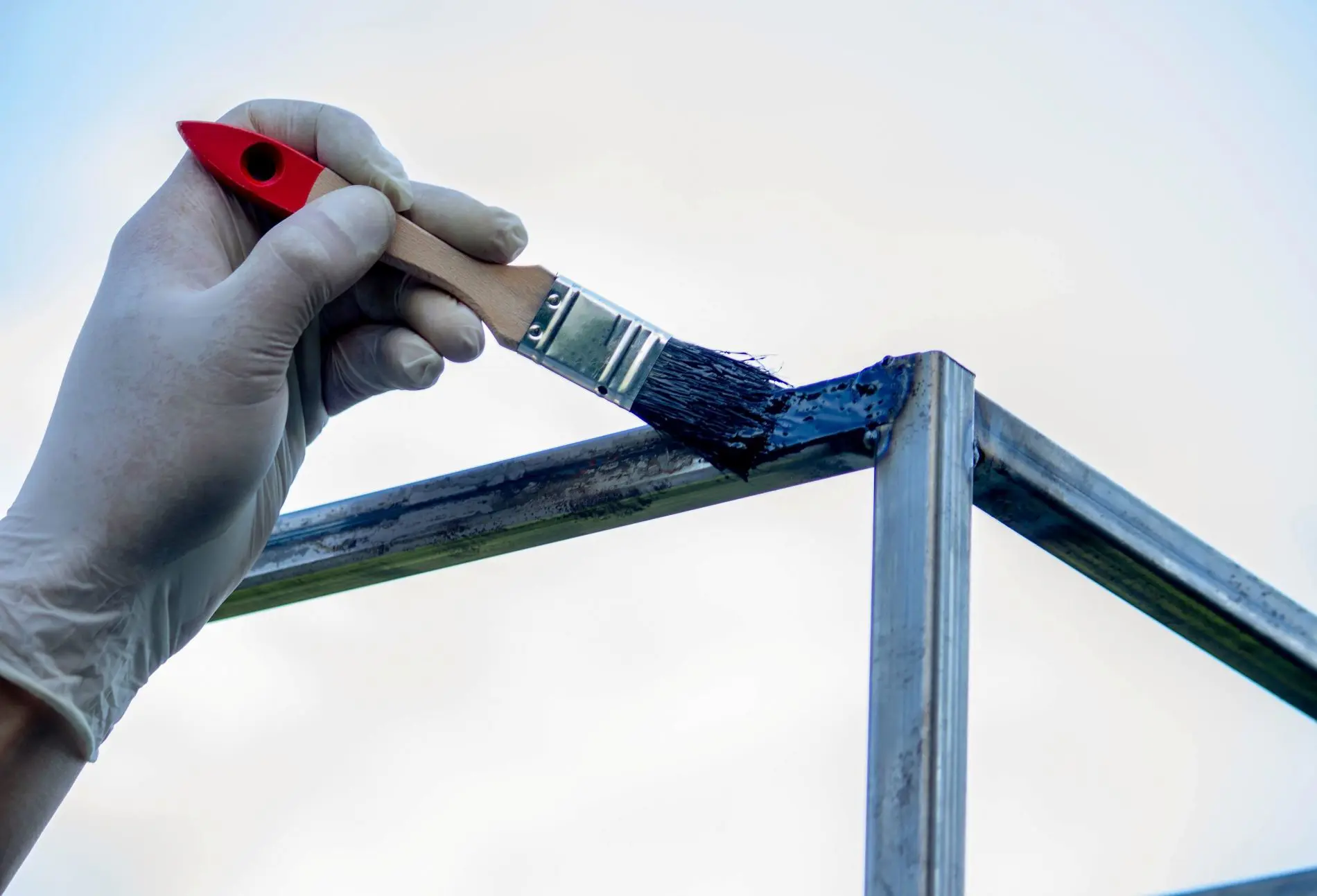
Corrosion-resistant coatings contain specialized ingredients that slow or stop the oxidation process responsible for rust formation.
In simple terms, industrial coatings help prevent the forces of nature and daily operations from damaging valuable assets.
The value of industrial painting becomes most apparent over time.
One of the most significant advantages is asset preservation. Steel structures, machinery, and concrete surfaces can deteriorate quickly when left unprotected. Proper coating systems significantly slow that deterioration process.
Another major benefit is reduced maintenance costs. Facilities with high-quality industrial coatings typically require fewer repairs and less frequent repainting. This means fewer interruptions and lower maintenance budgets over the long term.
Industrial painting also improves workplace safety. Bright, clean surfaces improve visibility. Specialty coatings can reduce slip hazards, identify traffic zones, and support OSHA compliance initiatives.
Property value is another important consideration. Facilities that are properly maintained tend to retain value better than those showing signs of neglect or corrosion.
Industrial coatings can also contribute to sustainability goals. Extending the life of existing infrastructure reduces waste, minimizes material consumption, and decreases the need for premature replacement projects.
One of the most common questions facility owners ask is why industrial painting costs vary so dramatically from project to project.
The answer lies in several key factors.
Surface preparation is often the largest cost component. Industrial coatings are only as good as the surface beneath them. Rust removal, pressure washing, abrasive blasting, grinding, and repairs all require labor and specialized equipment.
The condition of the substrate also matters. A heavily corroded steel structure requires significantly more preparation than a newer surface in good condition.
Coating selection plays a major role as well. Different environments require different levels of protection. High-performance systems designed for chemical exposure, extreme temperatures, or marine environments naturally cost more than basic protective coatings.
Accessibility influences labor costs. Elevated structures, confined spaces, operational facilities, and hard-to-reach areas often require lifts, scaffolding, safety equipment, and additional planning.
Project size can affect pricing too. Larger projects may benefit from economies of scale, while smaller projects may carry minimum mobilization costs.
Scheduling requirements also matter. Facilities that require overnight work, weekend work, or phased execution to avoid disrupting operations may experience higher labor costs.
The best approach to budgeting is to focus on lifecycle costs rather than initial price alone.
A lower-cost coating system may appear attractive initially but could require replacement years sooner than a premium system. When viewed over the lifespan of the asset, investing in a higher-performance coating often produces greater value.
Facility owners should also budget for periodic inspections and preventative maintenance. Small touch-ups and repairs performed early can prevent major coating failures later.
Working with experienced industrial painting professionals helps ensure the coating system matches the actual conditions the facility faces.
Many facility managers wait until visible damage appears before considering repainting. However, early intervention often produces the best results.
Common warning signs include fading, chalking, peeling coatings, rust formation, concrete dusting, staining, moisture intrusion, and areas of repeated maintenance.
Addressing these issues early helps prevent more extensive damage and reduces long-term repair costs.
No coating can guarantee permanent rust prevention, but properly specified and maintained coating systems can dramatically slow corrosion and extend asset life for many years.
Standard paint is not designed for the physical and environmental demands found in industrial settings. Industrial coatings are formulated specifically for protection, durability, and performance.
Lifespan depends on the coating system, environment, surface preparation, and maintenance practices. Many industrial systems provide protection for 10 years or longer when properly maintained.
In many cases, yes. Projects can often be phased or scheduled strategically to minimize operational disruptions.
Surface preparation. Even the best coating system can fail if the underlying surface is not properly prepared.
Many modern industrial coatings are formulated with lower VOC levels and improved environmental performance compared to older generations of products.
Specialized industrial coatings are designed to withstand high temperatures and intense UV exposure common throughout Arizona.
No. Warehouses, distribution centers, commercial buildings, processing facilities, storage structures, and many other property types benefit from industrial coatings.
Yes. Industrial coatings can improve visibility, identify hazardous zones, reduce slip risks, and support compliance efforts.
Most facilities benefit from annual inspections to identify small issues before they become major problems.
Industrial painting is one of the most effective ways to protect commercial and industrial assets from deterioration. The right coating system not only improves appearance but also extends service life, reduces maintenance costs, supports safety initiatives, and improves operational efficiency.