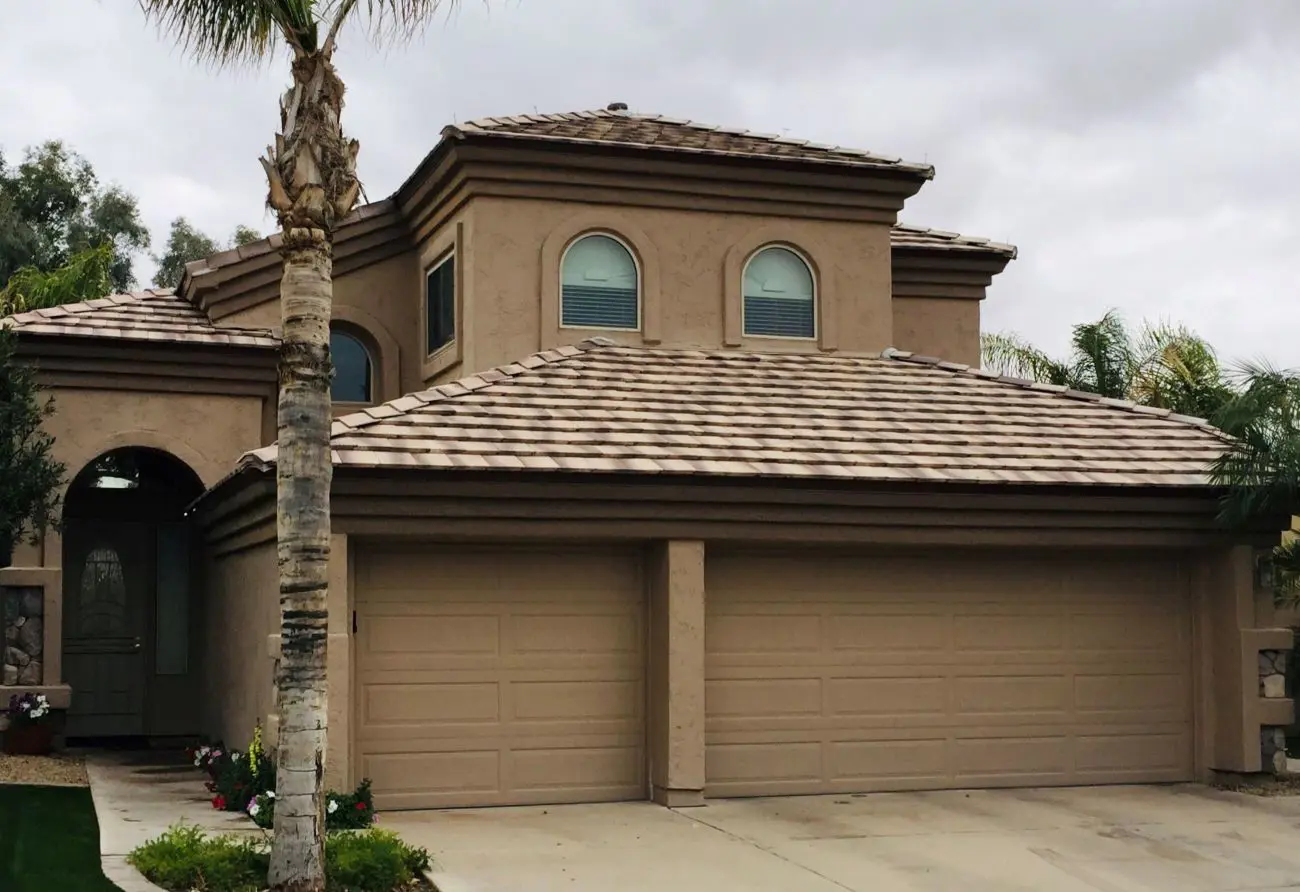
Arizona’s sunshine is one of the state’s best-known features, but constant exposure to extreme heat and ultraviolet radiation can be difficult on a home’s exterior paint. Paint does more than improve curb appeal. It helps protect stucco, wood, siding, trim, masonry, and other exterior materials from sunlight, moisture, dust, and changing temperatures.
With more than 15 years of experience, The Painters Custom Finishes helps homeowners throughout Gilbert and Maricopa County protect their properties with exterior painting solutions suited to Arizona’s demanding climate. Understanding why coatings fail and how to improve their lifespan can help homeowners avoid premature repainting and expensive exterior repairs.
Quality exterior paint acts much like sunscreen for a home. It creates a protective barrier that limits direct exposure to ultraviolet rays while helping shield building materials from moisture and weather-related deterioration.
As sunlight breaks down the binders inside a coating, the paint gradually loses flexibility and adhesion. This can lead to fading, chalking, cracking, blistering, and peeling. Because Arizona homes receive intense sunlight for much of the year, this deterioration can happen faster than it does in cooler or cloudier climates.
Paint contains pigments for color, binders that form the protective film, liquids that help the product spread, and additives that improve performance. During extreme heat, ultraviolet radiation gradually weakens the chemical bonds in the binder.
Darker exterior surfaces can reach temperatures far above the surrounding air. Repeated heating and cooling also cause stucco, wood, trim, caulking, and other materials to expand and contract. If the coating cannot move with those surfaces, cracking or separation may develop.
Arizona homes also face several additional challenges:
Even premium exterior paint will not perform correctly when applied over dirt, chalking, loose coatings, damaged stucco, rust, or unstable surfaces. Preparation creates the foundation that allows the new paint to bond properly.
Professional exterior preparation may include pressure washing, scraping loose paint, sanding rough edges, repairing stucco cracks, replacing damaged wood, treating rust, sealing gaps, and priming exposed or repaired areas.
Skipping these steps may reduce the initial price, but it can also shorten the lifespan of the finished paint system.
Professional-grade acrylic exterior paints are often selected for Arizona properties because they provide flexibility, adhesion, color retention, and resistance to ultraviolet exposure. Flexible coatings are better able to tolerate the movement caused by changing surface temperatures.
Lighter colors usually absorb less heat than darker colors and may maintain their appearance longer in direct sunlight. Dark colors can still be used, but they require careful product selection and may need more frequent maintenance on highly exposed walls.
The best coating depends on the surface material, current condition, previous paint, color choice, sun exposure, and the homeowner’s long-term goals.
Exterior painting can be completed in Arizona’s warm climate, but the air temperature is not the only condition that matters. The actual wall or trim surface may be much hotter than the surrounding air.
Painting an excessively hot surface can cause the coating to dry before it levels or bonds correctly. Professional painters account for direct sunlight, shade, wind, surface temperature, humidity, and manufacturer recommendations when planning the work.
Exterior painting should be considered preventative home maintenance rather than only a cosmetic upgrade. A properly prepared and coated exterior can help protect stucco, fascia, trim, siding, masonry, doors, and other vulnerable materials.
Professional exterior painting can provide several long-term benefits:
A durable paint system can also be a more sustainable choice. When exterior paint lasts longer, homeowners use fewer materials, generate less waste, and require fewer repainting projects over the life of the property.
Modern low-VOC coatings can further reduce emissions while still providing the durability needed for Arizona homes. Proper preparation and professional application help homeowners receive more useful life from those materials.
Exterior painting prices vary because every home has different surfaces, access conditions, preparation requirements, and architectural details. The amount of work required before painting often has a major effect on the final estimate.
Larger or taller homes require more paint, labor, masking, equipment, and preparation time.
Peeling paint, cracked stucco, damaged wood, rust, open joints, and deteriorated caulking require additional repairs and preparation.
High gables, detailed trim, multiple rooflines, narrow access areas, and multi-story elevations can increase labor and equipment needs.
Premium coatings cost more initially but may offer better coverage, flexibility, adhesion, color retention, and long-term durability.
Multiple body, trim, door, and accent colors may require additional masking, cutting, setup, and application time.
Homeowners should compare preparation methods, coating quality, number of coats, experience, workmanship, and warranty coverage rather than selecting an estimate based only on the lowest price.
Homeowners can improve paint longevity by choosing premium acrylic products, correcting surface damage before painting, using the appropriate primers, and scheduling application under suitable conditions.
Ongoing maintenance also matters. Exterior surfaces should be inspected periodically for fading, chalking, cracking, peeling, failed caulking, exposed wood, damaged stucco, and rust. Addressing small concerns early can help prevent more extensive coating and material failure.
Periodic cleaning can also remove dust, dirt, and contaminants that dull the finish or contribute to surface wear.
A home does not need to be peeling everywhere before repainting should be considered. Early warning signs include:
South- and west-facing walls commonly show wear first because they receive the strongest sunlight during the hottest parts of the day.
Lighter colors generally absorb less heat and may experience lower surface temperatures. Dark colors can still work, but coating quality, direct exposure, and maintenance requirements should be considered.
Chalking occurs when sunlight and weather gradually break down the coating’s binder, leaving loose pigment on the surface. Excessive chalking can indicate that the paint is approaching the end of its service life.
Premature peeling may result from moisture intrusion, poor preparation, painting over unstable surfaces, using the wrong primer, applying paint under extreme conditions, or using an unsuitable coating.
Yes, but careful scheduling is important. Experienced painters monitor direct sunlight, wall temperature, wind, and manufacturer application limits to help the coating dry and cure correctly.
There is no single schedule for every property. Paint lifespan depends on surface preparation, product quality, color, sun exposure, material type, maintenance, and the condition of the existing coating.
Premium exterior paint often provides better adhesion, flexibility, coverage, ultraviolet resistance, and color retention. In Arizona’s climate, the longer lifespan can provide better overall value.
Exterior painting in Arizona requires more than applying a new color. It requires an understanding of surface preparation, product chemistry, material condition, weather, drying time, and application technique.
The Painters Custom Finishes has more than 15 years of experience helping homeowners in Gilbert and throughout Maricopa County protect and improve their properties. Our team understands how Arizona’s climate affects stucco, wood, trim, masonry, metal, and other exterior materials.
A professionally completed exterior paint project can improve curb appeal while helping protect one of your largest investments from sunlight, dust, moisture, and weather-related deterioration.